What Happens if You Have Two At-Fault Accidents
Two at-fault accidents usually mean a much higher rate and possibly nonrenewal, but the details depend on timing and your insurer.

A second accident eight months after the first
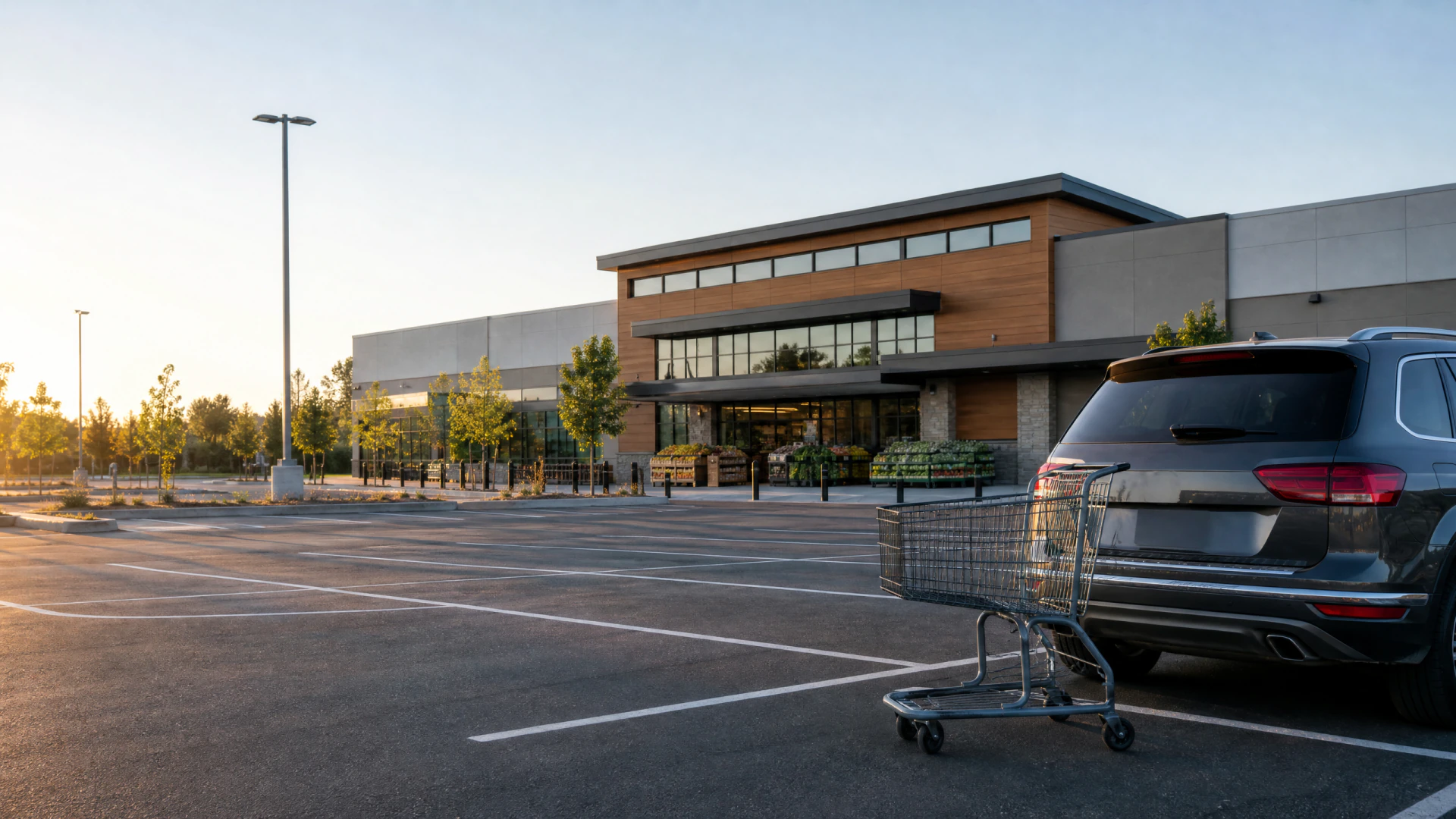
A driver had a minor at-fault accident in the spring. Rates went up some, but the policy renewed without trouble. Eight months later, a second at-fault accident happened in a parking lot. This time the insurer sent a nonrenewal notice instead of a renewal bill.
The driver started comparing quotes right away instead of waiting for the policy to actually end. A few insurers quoted high rates because of the second accident, but one specialized in drivers with recent claims and came in lower than expected. The driver switched before the old policy lapsed, so there was no gap in coverage. The rate was higher than before either accident, but manageable, and the driver was told it would improve if no new claims happened over the next few years.
Will two at-fault accidents make me uninsurable?
No. Being uninsurable through standard channels is rare. What usually happens is that your current insurer raises your rate sharply or declines to renew you, and some mainstream insurers may turn you down for new coverage. But insurance is mandatory in nearly every state, and markets exist specifically for drivers with multiple recent claims.
These policies cost more, sometimes a lot more, but they provide real coverage while you rebuild a clean record. Over time, as the accidents age and drop off your lookback window, you become eligible again for standard insurers at standard rates. The two accidents don't follow you forever. They follow you for a defined stretch that your insurer or state can tell you.

Compare quotes now so you know your real options before your current policy ends or renews at a much higher rate.

What to do right now after a second at-fault accident
- Check your renewal date Your insurer may wait until renewal to react rather than canceling mid-term. Mark the date and start shopping before it arrives, not after.
- Expect a rate change A second at-fault accident often triggers either a steep increase or a decision not to renew. Ask your insurer directly which one applies to you.
- Get several quotes Insurers weigh multiple accidents differently, so quotes can vary widely. Get several quotes rather than assuming one number represents the market.
- Ask about the lookback period Most insurers only look back a limited number of years. Ask your insurer and your state's rules so you know when your rate should improve again.
- Avoid a coverage gap A lapse in coverage adds another mark against you on top of the accidents. Line up new coverage before the old policy ends, even if it costs more short term.
The two accidents don't define your rate forever, only for a window you can ask about and plan around.
How many years do two at-fault accidents stay on my record?
It depends on your state and your insurer, not on a universal rule. Many insurers look back a few years when pricing a policy, but the accidents may stay on your driving record with the state longer than they affect your insurance rate. Ask your insurer specifically how long each accident will factor into your premium, and ask your state's motor vehicle agency how long it stays on your official record. These can be different timelines.
Can I fight a nonrenewal after two at-fault accidents?
Sometimes, but it rarely changes the outcome if both accidents were genuinely your fault. You can ask your insurer to reconsider, especially if there were unusual circumstances, but nonrenewal is usually a business decision insurers are allowed to make. Your time is often better spent getting quotes elsewhere than appealing. If you believe fault was assigned incorrectly on either accident, that's a separate process worth pursuing through your insurer or the police report.
Will two at-fault accidents affect my ability to get full coverage?
No, full coverage is still available, but it will cost more and your choice of insurers may narrow. Liability and full coverage are priced separately, and multiple accidents raise both, but neither becomes unavailable to you. Some insurers that specialize in higher risk drivers offer full coverage specifically for this situation. Compare quotes for the same coverage levels so you're judging price differences fairly, not differences in what's covered.