Is Being Double Covered by Car Insurance Bad
Having two car insurance policies at once isn't dangerous, but it rarely helps you and often costs you twice.
Why overlapping coverage causes problems even though it isn't unsafe
Car insurance doesn't stack the way some people expect. If you have two policies covering the same car at the same time, you don't get double the payout on a claim. Insurers coordinate with each other, and one policy typically becomes primary while the other pays little or nothing. So the main cost of double coverage isn't risk, it's paying a second premium for protection you can't fully use.
The situation becomes a real problem when a claim gets filed and both insurers have to sort out which one pays first. This can slow down your claim at the exact moment you need money fastest, like after an accident. Adjusters may ask you to disclose the second policy, and if you forget to mention it or didn't realize it was still active, that can look like you withheld information even when you didn't mean to.
There are a few situations where carrying two policies briefly is normal and not a mistake. If you're switching insurers, a short overlap while the new policy starts and the old one hasn't ended yet is common and harmless, as long as you cancel the old one properly instead of letting it expire or lapse. The key is making sure one policy ends cleanly rather than both sitting active indefinitely.
What varies is how your state and your insurers handle coordination between two policies on one vehicle. Some states have clear rules about which policy pays first when there's overlap, others leave it to the insurers to work out between themselves. Check with your state's insurance department or ask your agent directly how coordination works where you live before you assume anything.
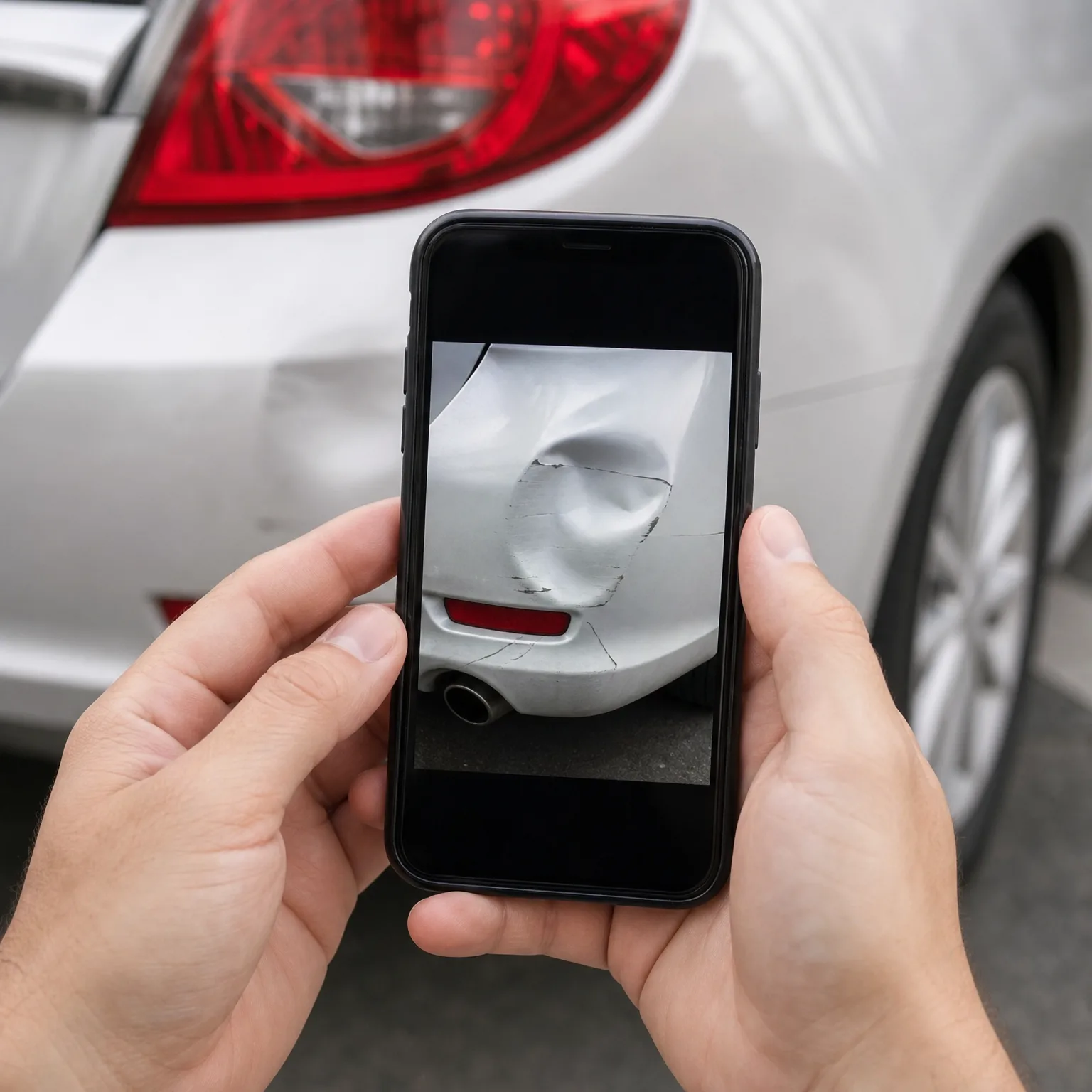
What to check if you think you're double covered
- Confirm both are still active Call each insurer and ask directly if your policy is currently in force. Don't rely on your memory of when you canceled, since cancellations sometimes don't process on the date you expect.
- Cancel the old one in writing Verbal cancellation isn't always enough to stop billing or coverage. Send a written cancellation request and get confirmation of the exact end date.
- Ask about refunds If you paid for overlapping time, you may be owed money back from the policy you're ending. Ask the insurer directly rather than assuming it happens automatically.
- Tell new insurer about old one If you're asked about other active coverage when applying, answer honestly even if the old policy is ending soon. Undisclosed overlap can complicate a claim.
- Watch for auto-renewal Some policies renew automatically unless you cancel ahead of the renewal date. Set a reminder so you don't end up paying for a policy you meant to drop.
The real cost of double coverage isn't danger, it's paying twice for protection that doesn't add up.
Once you know which policy is ending, compare quotes to make sure your remaining coverage is priced right.

Do you cancel the old policy once the new one starts
If you do
You confirm the cancellation date in writing and check for a refund on unused premium. Your new policy becomes your only active coverage, so there's no confusion if you need to file a claim. You avoid paying for two policies and avoid any question about which one pays first.
If you don't
You keep paying for a policy you don't need, sometimes without noticing for months. If you're ever in an accident during the overlap, both insurers may need to coordinate, which can slow down your payout. You also risk the old policy auto-renewing and locking you into more unwanted payments.
A driver who switched insurers but forgot to cancel the old policy
A driver shopped around and found a new policy with better coverage, so they bought it and started driving with the new card in hand. They assumed the old policy would just end on its own since they stopped paying attention to it, but it turned out the old insurer had the premium on automatic payment from a linked bank account, so it kept charging monthly even after the new policy began.
Three months later the driver noticed the double charge on their bank statement and called the old insurer to cancel. The insurer canceled it going forward but explained that refunds for past months weren't guaranteed since the policy had technically been active and in force the whole time. The driver kept the new policy, canceled the old one properly this time with written confirmation, and set a calendar reminder for future renewals. The lesson they took away wasn't to panic about having two policies, since nothing bad happened on a claims basis, but to always confirm a cancellation directly instead of assuming it happens automatically when you stop needing something.