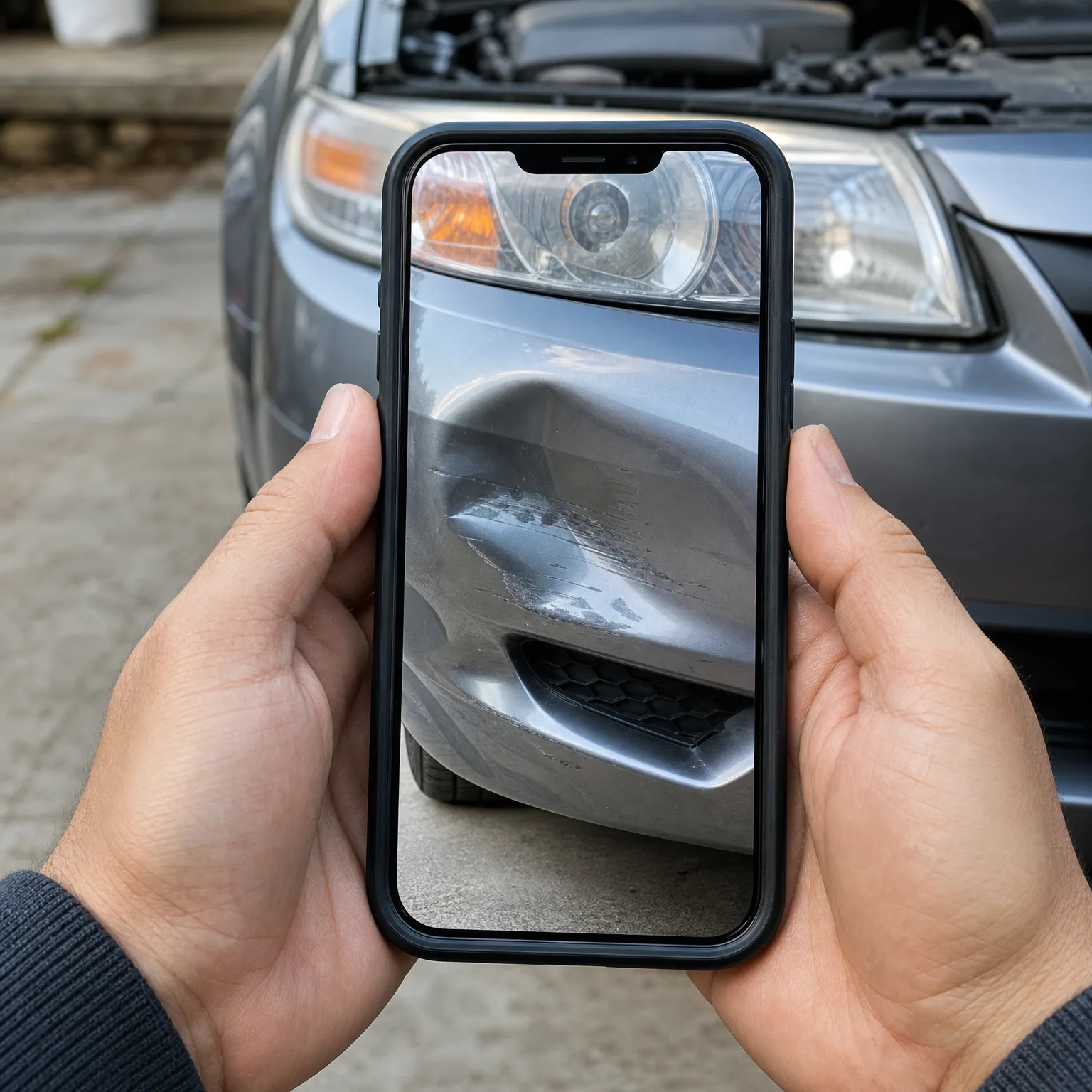
What Is a Claims History
A claims history is the record of insurance claims tied to you and your car, and it follows you to every new insurer.
How your claims history actually gets built and read
Every claim you file, or that gets filed against your policy, goes into a record that insurers can pull up by your name and driver's license. This isn't the same company tracking you internally. It's a shared report that most insurers check when you apply for a new policy, so a claim you filed years ago with one company shows up when you apply with a completely different one.
The report itself is neutral. It lists what happened, when, and how much was paid, but it doesn't say whether the claim was your fault or just bad luck. Each insurer decides for itself how to weigh that history, which is why your old company dropping you doesn't mean every company will see you the same way.
This matters right now because losing a policy, whether by nonrenewal or cancellation, is often unrelated to your claims history at all. Insurers sometimes pull back from a whole area or stop writing a type of policy, and that shows up on your record as a lapse or a change in carrier, not as a mark against you. A new insurer will look at the actual claims listed, not just the fact that your coverage ended.
Where this varies is in how long claims stay visible and how heavily they're weighted. Some states limit how far back insurers can look, and some insurers weigh a single claim much more lightly than others. Check with any insurer you're considering how they handle your specific history before assuming the worst.

What your claims history actually contains
- Every claim, not just at-fault Claims you filed even if you weren't found at fault still appear. Ask any insurer you're applying to how they treat not-at-fault claims specifically.
- Tied to you and the car The record follows your driver's license and sometimes the vehicle itself. A new car or a new address won't clear it.
- Pulled by most insurers Nearly every insurer checks this report when you apply. Expect questions about any claim listed, even old ones.
- Separate from your exit reason A nonrenewal or cancellation itself isn't a claim. Be ready to explain why your last policy ended, since insurers may ask separately.
- Weighed differently by insurers One company might barely count a claim that another treats as serious. Get quotes from a few insurers instead of assuming one answer applies everywhere.
Can you fix or dispute something wrong in your claims history?
Yes, if something on the report is actually inaccurate, you can request a correction. Start by getting a copy of your own report, which you're entitled to see, and check it against your actual policy records and any claim paperwork you kept.
If you find an error, like a claim listed as at-fault when it wasn't, or a claim that isn't yours at all, you can file a dispute with whoever compiled the report. This takes some time, so don't wait until you're mid-application to check it.
What you can't do is dispute a claim just because you don't like how an insurer is weighing it. If the claim is accurately listed, your option is to shop around for an insurer that weighs it differently, not to argue the record itself.
Now that you know what's actually in your claims history, compare quotes to see how different insurers weigh it.

Should you pull your own claims history before you apply
If you do
You'll know exactly what insurers will see before they see it. If something's wrong, you catch it early enough to dispute it. You can also explain any claim upfront instead of being surprised by a question mid-application, which tends to go smoother.
If you don't
You'll find out what's on it when a quote comes back higher than expected or an insurer asks about something you forgot. Nothing gets worse by waiting, but you lose the chance to fix errors or prepare your explanation ahead of time.

A driver gets nonrenewed with a clean-looking record
A driver got a nonrenewal notice and had no idea why, since they hadn't filed a claim in years and had no tickets. They pulled their own claims history to check, and it turned out their insurer was simply exiting their state entirely, which had nothing to do with their record. The report itself was clean except for one small windshield claim from four years earlier that they'd forgotten about.
Knowing this, they applied to several new insurers and mentioned the nonrenewal reason upfront instead of letting it look unexplained. Most insurers didn't weigh the old windshield claim heavily at all, and one didn't ask about it a second time. They ended up with a new policy at a rate close to their old one, mainly because they could show the nonrenewal wasn't about anything they'd done.