What Does a Non-Owners Insurance Policy Cover
A non-owners policy covers your liability when you drive a car you don't own, not damage to the car itself.
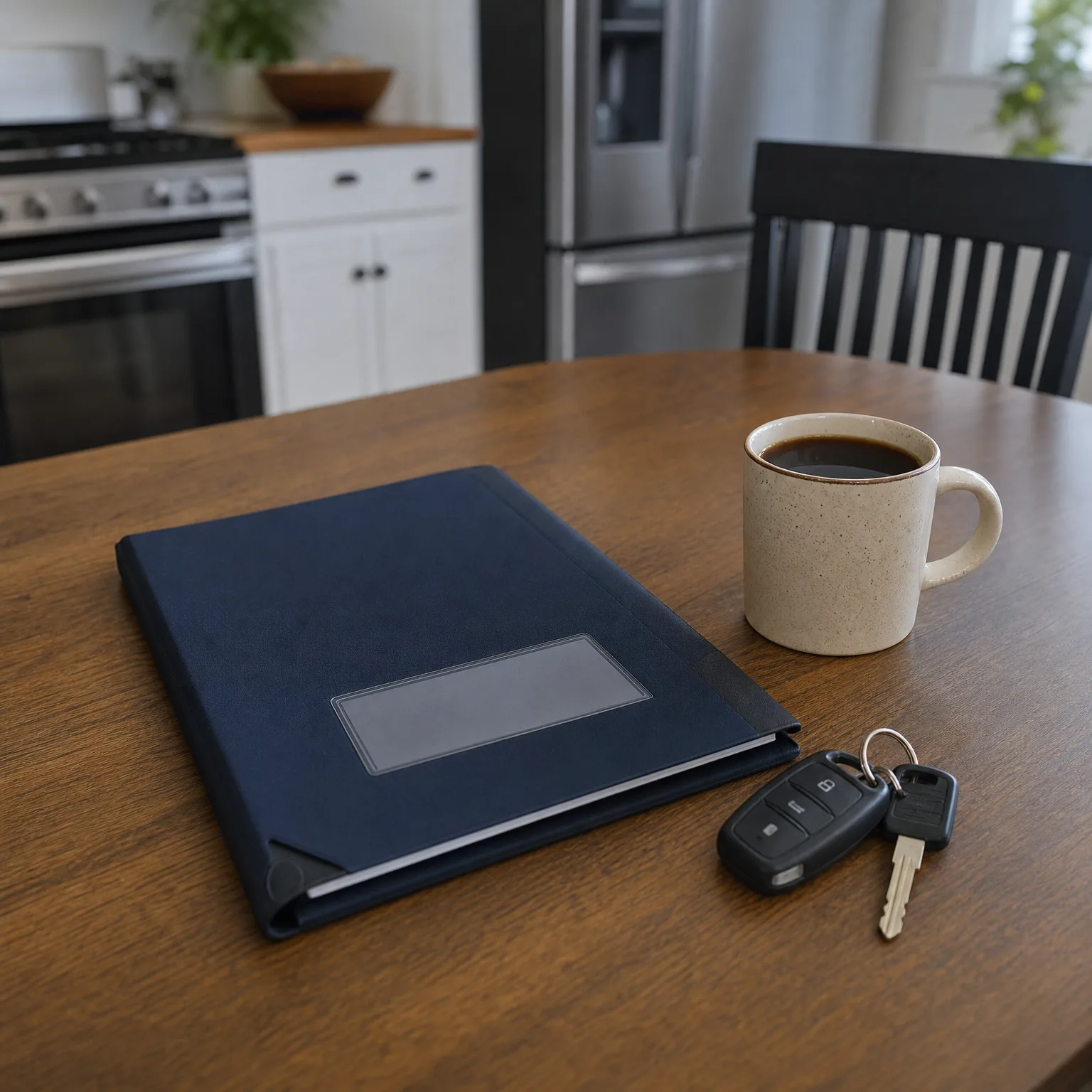
What's actually included in a non-owners policy
- Liability for others This pays for injuries or damage you cause to other people when you're driving a borrowed or rented car. It's the core of the policy, so check the limits match what you need.
- No coverage for the car Damage to the vehicle you're driving isn't covered, whether it's borrowed or rented. If you need that protection, you'll have to get it through the car's owner or the rental company.
- No coverage for your own car This policy assumes you don't own a car, so it won't cover one you buy later. The day you own a vehicle, you need a standard policy instead.
- Works as proof of insurance Many drivers use this policy to satisfy a state requirement after a lapse or a license reinstatement. Check with your state whether this type qualifies before you rely on it.
- Rental car use varies Some policies extend to rental cars and some don't. Read the policy or ask the insurer directly before you assume you're covered on a trip.
Will a non-owners policy cover a car I drive regularly, like a family member's?
It depends on how often you drive that car and whether you have regular access to it. Non-owners policies are built for occasional driving, like borrowing a friend's car once in a while or renting one on a trip. If you drive the same car on most days, many insurers will say you have regular access to it and expect that car to be insured under its own policy, with you listed as a driver.
This matters because if you file a claim and the insurer finds you were driving a car you had regular access to, they can deny coverage. The definition of regular use isn't identical everywhere, so ask the insurer directly how they define it before you count on a non-owners policy for a car you drive often. If that's your situation, ask whether you should be added to that car's policy instead.
This policy protects you, not any car. If you'll drive one car often, that car needs its own coverage.
Once you know what a non-owners policy does and doesn't cover, compare quotes to find one that fits your situation.
A driver who needed coverage but had no car of their own
Someone had their license reinstated after a lapse and needed to show proof of insurance to keep it valid. They didn't own a car, but they occasionally borrowed a friend's car on weekends and sometimes rented one for trips. They weren't sure a standard policy made sense since they had nothing to insure, and they worried about what would happen the next time they borrowed a car.
They looked into a non-owners policy and found it fit exactly this gap. It satisfied the state's proof of insurance requirement, and it gave them liability coverage any time they drove someone else's car with permission. They checked with the insurer about whether rental cars were included and confirmed they were. Within a few months of holding the policy without issues, they shopped for a standard policy and found their rate had improved, since insurers could see a continuous record of coverage instead of a gap.
Why the coverage is built this way
A non-owners policy exists to follow you, not a car, because you don't have a vehicle for a policy to attach to. Insurers built this product for people who need liability protection but don't have an asset of their own to insure. That's why it only covers the damage and injury you cause to others, not any damage to a vehicle, since there's no vehicle named on the policy to protect.
The liability-only design also keeps the policy simple to price. Insurers don't have to evaluate a specific car's value or repair costs, since no car is listed. They're really just pricing your risk as a driver, based on your history and the state you live in.
The assumption of occasional use is what makes the policy work at a reasonable scope. If insurers let non-owners policies cover regular use of someone else's car, they'd effectively be insuring that car without ever inspecting it or collecting a rate based on its value. That's why regular access to a vehicle usually pushes you toward being added to that car's own policy instead.
Where this gets less clear is rental cars, since some insurers treat frequent rental use differently than occasional borrowing. If you rent cars often, ask the insurer directly how they view that pattern, since it can affect whether you're still considered an occasional driver under the policy's terms.
Can I get a non-owners policy if I don't have a license reinstatement requirement?
Yes, you don't need a reinstatement requirement to get one. Anyone without a car who still wants liability coverage for borrowed or rented cars can buy this policy. It's commonly used after a reinstatement, but insurers sell it just as readily to someone who sold their car, moved to a city without driving, or simply wants coverage between cars.
Does a non-owners policy help my rates if I buy a car later?
It can, because it shows the insurer you kept continuous coverage instead of a gap. Insurers often price new policies more favorably for drivers with an unbroken history. Check with the insurer when you do buy a car, since the discount or rate benefit depends on how long you held the non-owners policy and your full driving record.
What happens if I'm caught driving a car I own without telling my non-owners insurer?
Your claim will likely be denied and the policy could be cancelled. Non-owners policies are written on the condition that you don't own a vehicle, so buying one changes your risk profile entirely. The moment you own a car, tell your insurer and get a standard policy, since the non-owners policy stops matching your situation.