Is It Illegal to Drive Without Car Insurance
Yes, it's illegal in nearly every state, and the risk goes far beyond a ticket if something goes wrong.
The law requires proof you can pay for damage you cause
States require insurance because driving creates risk for everyone else on the road, not just you. If you hit someone, the law wants to know there's money behind that damage, whether it's their car, their medical bills, or both. Insurance is how the state makes sure that money exists before you ever need it.
That's why the requirement is tied to registration and licensing instead of being optional guidance. When you register a vehicle, you're usually certifying you carry coverage, and driving without it breaks that certification. Police can check this during a stop or after a crash, and most states now verify it electronically rather than relying on a paper card.
The consequences scale with how it's discovered. Getting pulled over without proof is treated differently than causing a crash with no coverage at all. In the first case, you're usually looking at fines or a suspended license. In the second, you could be personally on the hook for the other driver's damages and your own, which is often a far larger number than any premium.
A few states allow alternatives to traditional insurance, like posting a bond or proving financial responsibility another way. These are uncommon and have their own strict rules, so if you're considering one, check your state's specific requirements rather than assuming it works like standard coverage.
A lapsed policy catches up with someone at the worst time
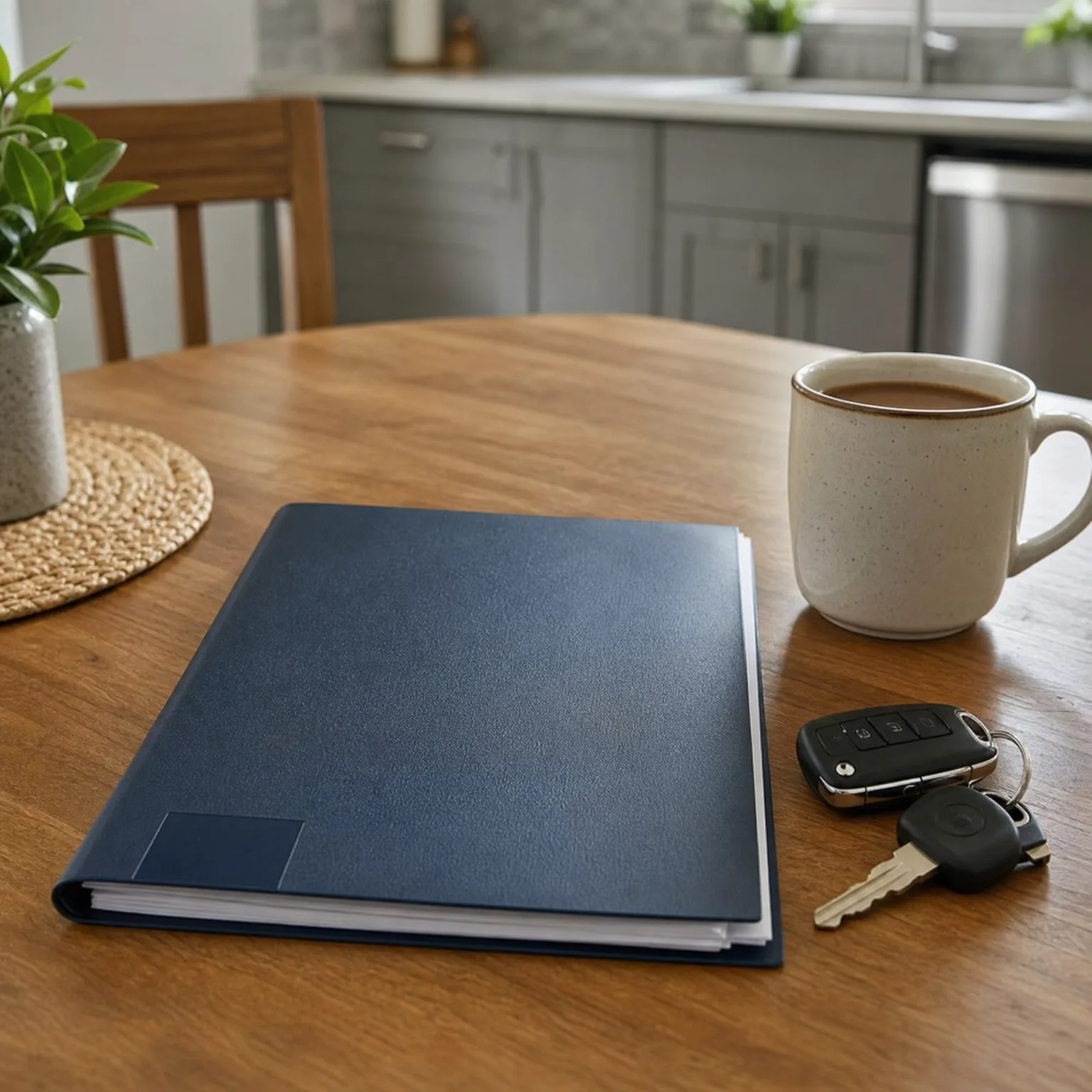
Say you switched jobs, money got tight, and you let your policy lapse for a few weeks, planning to restart it once you caught up. During that gap, someone rear-ends you at a light. You weren't at fault, but when the police run your plate, you have no active coverage on file. In many states, that alone can trigger a fine or a suspension notice, even though the crash wasn't your doing.
Now you're dealing with two problems instead of one. You're trying to recover costs from the other driver's insurer, which takes longer when your own status is in question, and you're also sorting out a lapse penalty with your state. Getting a new policy fixes the going-forward problem, but it doesn't erase the lapse that already happened. The lesson most people take from this isn't to drive more carefully. It's to treat the policy itself as something that can't quietly expire in the background while life gets busy.
What happens if I get caught driving without insurance?
The immediate consequences usually include a fine and often a suspended license or registration until you can show proof of coverage again. Some states also require you to file a special form with your insurer for a period afterward, which can mean higher rates even once you're reinsured.
If the stop happens after a crash rather than a routine check, the stakes are higher. You can be held personally responsible for the other person's damages, and your own vehicle's damage typically isn't covered either. Exactly how this plays out depends on your state's laws, so if you're trying to understand your specific exposure, check what your state does with uninsured drivers after a crash versus a routine stop.
Now that you know what's required and what's at stake, compare quotes to get back to legal coverage without overpaying.

Letting coverage lapse versus keeping it active
If you do
If you let your policy lapse, your state may flag your registration and suspend your license until you reinstate proof of insurance. You could face a fine, a reinstatement fee, and higher premiums afterward since insurers see the lapse as risk. Any crash during the gap is also entirely on you financially.
If you don't
If you keep coverage active without any gap, you avoid fines, suspensions, and the paperwork of reinstating your license or registration. Insurers treat continuous coverage as a sign of reliability, which helps you qualify for better rates over time. A crash during this period is handled through your policy as expected.
Can I get car insurance after a lapse without paying way more?
Yes, but expect your options to be more limited and your rates somewhat higher for a while. Insurers price risk partly on continuous coverage, so a lapse signals uncertainty even if nothing happened during it. The length of the lapse matters too, a few days is viewed very differently than several months. Shopping around after a lapse often finds better pricing than staying with an insurer who already flagged the gap, so check multiple options rather than assuming your current insurer's renewal quote is your best one.
Does my state consider a brief coverage gap a violation?
In most states, yes, any gap counts regardless of length, since the requirement is continuous coverage, not average coverage over time. A single day without proof can technically trigger the same system that flags months-long lapses. Some states have grace periods or notification requirements before penalties kick in, so check whether your state gives any buffer before enforcement starts. If you're between policies, confirm your new coverage starts before your old one ends rather than assuming a same-day switch is fine.
Will a lapse show up when I apply for a new policy?
Yes, insurers typically check a national database that shows your coverage history, including gaps. This happens automatically when you apply, so it's not something you can leave out or explain away during quoting. What varies is how much weight each insurer puts on it, some are stricter than others about recent lapses. If you expect a lapse to show up, getting quotes from several insurers helps you find one that weighs it less heavily rather than assuming they all react the same way.