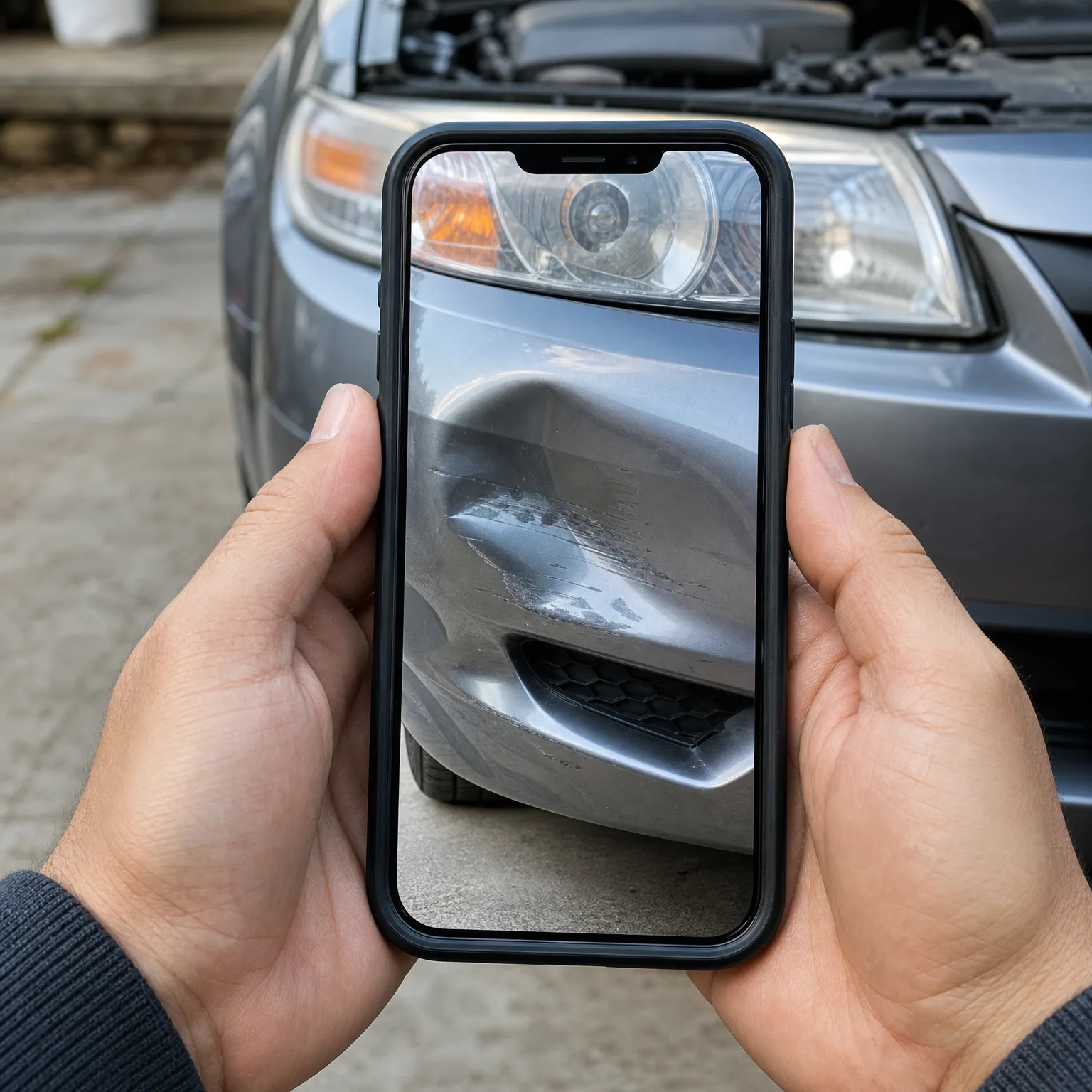
How to Get a CLUE Report
You request your CLUE report directly from the agency that keeps it, and you're entitled to a free copy.
Why this report exists and why it matters right now
Your CLUE report is a record of the insurance claims history tied to you and your vehicles, usually covering the past several years. Insurers pull it when you apply for a new policy, so it shapes how they see you before you ever speak to anyone. If you just got a nonrenewal or cancellation notice, that event itself may or may not show up as a claim, but any claims that led to it almost certainly will.
The reason to get your own copy first is simple. You want to see exactly what a new insurer will see, before they see it. If there's an error, a claim that was never paid out, a claim that belongs to a previous owner of your car, or something duplicated, you can dispute it ahead of time instead of discovering it through a higher quote or a denial.
This matters even if you did nothing wrong. Insurers sometimes drop drivers because they're leaving a state or region, tightening underwriting rules, or adjusting what kinds of policies they want to write. None of that shows up as a mark against you in CLUE, but you still want to confirm the report reflects that, not something else.
What varies is how claims reporting works by state and by company, since not every insurer reports every claim the same way. Check whether your state has its own consumer protections around claims history reports, since some add rules on top of the federal baseline.

A driver checks her report before shopping for a new policy
A driver received a nonrenewal notice saying her insurer was pulling back from her state. She assumed her record was clean since she'd had no accidents, but she wanted to be sure before getting quotes. She requested her CLUE report and found a claim listed from a windshield repair she'd paid for herself, never filed through insurance.
She disputed the error with the reporting agency, submitting a short written request along with her own records showing she'd paid out of pocket. The correction took a couple weeks to process. Once it was fixed, she shopped for new coverage with a report that accurately showed no claims, and the quotes she received reflected that clean history instead of a claim that was never hers to carry.
What if I find an error on my CLUE report?
You dispute it directly with the agency that issued the report, not with your old or new insurer. You'll typically submit a written request explaining the error, along with any documentation you have, like proof you paid for a repair yourself or records showing a claim was closed without payment.
The agency is required to investigate and correct confirmed errors. This can take some time, so it's worth doing as soon as you notice a problem rather than waiting until you're in the middle of comparing quotes. If the deadline on your nonrenewal is close, you can still shop for new coverage while the dispute is pending, just know the uncorrected version may be what insurers see until it's resolved.
Once you know what your CLUE report actually says, compare quotes knowing exactly how insurers will see you.
What to do before your current policy ends
- Request your free copy You're entitled to a free copy of your CLUE report each year. Request it directly from the reporting agency rather than relying on what your current insurer tells you.
- Check every claim listed Look for claims that aren't yours, duplicates, or ones that were closed without any payout. Each of these can make you look riskier than you are.
- Confirm the nonrenewal reason If you were dropped because your insurer left the area, make sure that's reflected accurately and isn't confused with a claims-related reason. This distinction matters to new insurers.
- Dispute errors in writing Submit disputes directly to the agency with any supporting documents you have. Do this right away since corrections take time to process.
- Shop while you wait Don't wait for a dispute to finish before getting quotes. Explain the situation to prospective insurers so they understand what's pending.

How long do claims stay on a CLUE report?
Claims typically stay on your CLUE report for several years before rolling off, though the exact length can depend on the reporting agency's policy. Check your copy for the dates listed next to each claim so you know when older ones are set to drop. If you're being quoted based on a claim that should have aged off already, that's worth raising directly with the new insurer.
Can a new insurer see why my old policy was nonrenewed?
Not directly, since nonrenewal and cancellation reasons aren't part of what's on a CLUE report. What they can see is your claims history, so if your nonrenewal came with claims attached, those are what shape their view. If it came with no claims at all, make sure your application explains the nonrenewal honestly so there's no confusion.
Does checking my own CLUE report affect my insurance rates?
No, requesting your own report has no effect on your rates or your record. It's treated as a personal inquiry, not a claim or an application. This makes it a low-risk first step before you start getting quotes, since you can review what insurers will see without triggering anything that could change your pricing.