Do Home Insurance Claims Affect Car Insurance
No, a home insurance claim generally doesn't raise your car insurance rates or show up on your driving record.
Car and home insurance are priced from separate records
Car insurers set your rate mainly from your driving record and your auto claims history. Home insurers look at a different history entirely, one tied to the property and to claims made on homeowners policies. These two records don't automatically merge, so a pipe burst or a theft claim on your house doesn't feed into the formula an auto insurer uses to price your policy.
The exception shows up when the same company writes both policies and bundles them together. In that setup, some insurers look at your overall claims activity across every policy you hold with them when they decide whether to renew you or adjust your bundled discount. A home claim alone rarely triggers a rate hike on the auto side, but a pattern of frequent claims across any policy type can make an insurer more cautious about keeping you as a customer at renewal.
There's also a narrower case worth knowing about. If your home claim involved something that also touched a vehicle, like a tree falling on a car parked in the driveway, that specific claim could get filed under your auto policy instead of or alongside your home policy, depending on what was damaged. That's a claims question, not a crossover between unrelated claim types.
The practical move is to ask your agent or insurer directly how they weigh claims across policy types if you're bundled, since this varies by company and isn't something you can assume either way.
What actually determines your car insurance rate
- Your driving record Tickets, accidents, and auto claims are the main factors insurers use for your car insurance. A clean driving record keeps your rate stable regardless of what happens with your house.
- Bundling status If you bundle home and auto with the same company, ask how they treat claims across both policies. Some insurers factor in total claims activity at renewal even if the claim types differ.
- Claim type and what it hit A home claim stays a home claim unless the incident also damaged a vehicle. If a car was involved, confirm which policy the claim was actually filed under.
- Renewal timing Check your auto renewal date separately from your home policy. A home claim won't trigger an off-cycle review of your car insurance in most cases.
- State and insurer rules How claims are shared or weighed across policy types varies by state and by company. Ask your insurer directly rather than assuming the two are linked or separate.

Once you know your auto rate stands on its own record, compare quotes to see what you'd actually pay.
Will filing a home insurance claim make my car insurance go up at renewal?
In most cases, no. Car insurance renewal pricing is based on your auto policy's own history, meaning your driving record and any claims filed under that specific policy. A claim you filed for storm damage to your roof or a stolen bike from your garage doesn't appear anywhere in the data your auto insurer uses to recalculate your premium.
The one scenario where it can matter is if you're bundled with the same insurer for both policies and that insurer's underwriting looks at your full claims picture across all lines when deciding whether to renew you or how to price the bundle. Even then, a single home claim is unlikely to move your auto rate on its own. It would take a broader pattern of claims, and the specifics depend entirely on that insurer's own rules, so asking directly is the only way to know for certain.
A storm claim on the house, a quiet renewal on the car
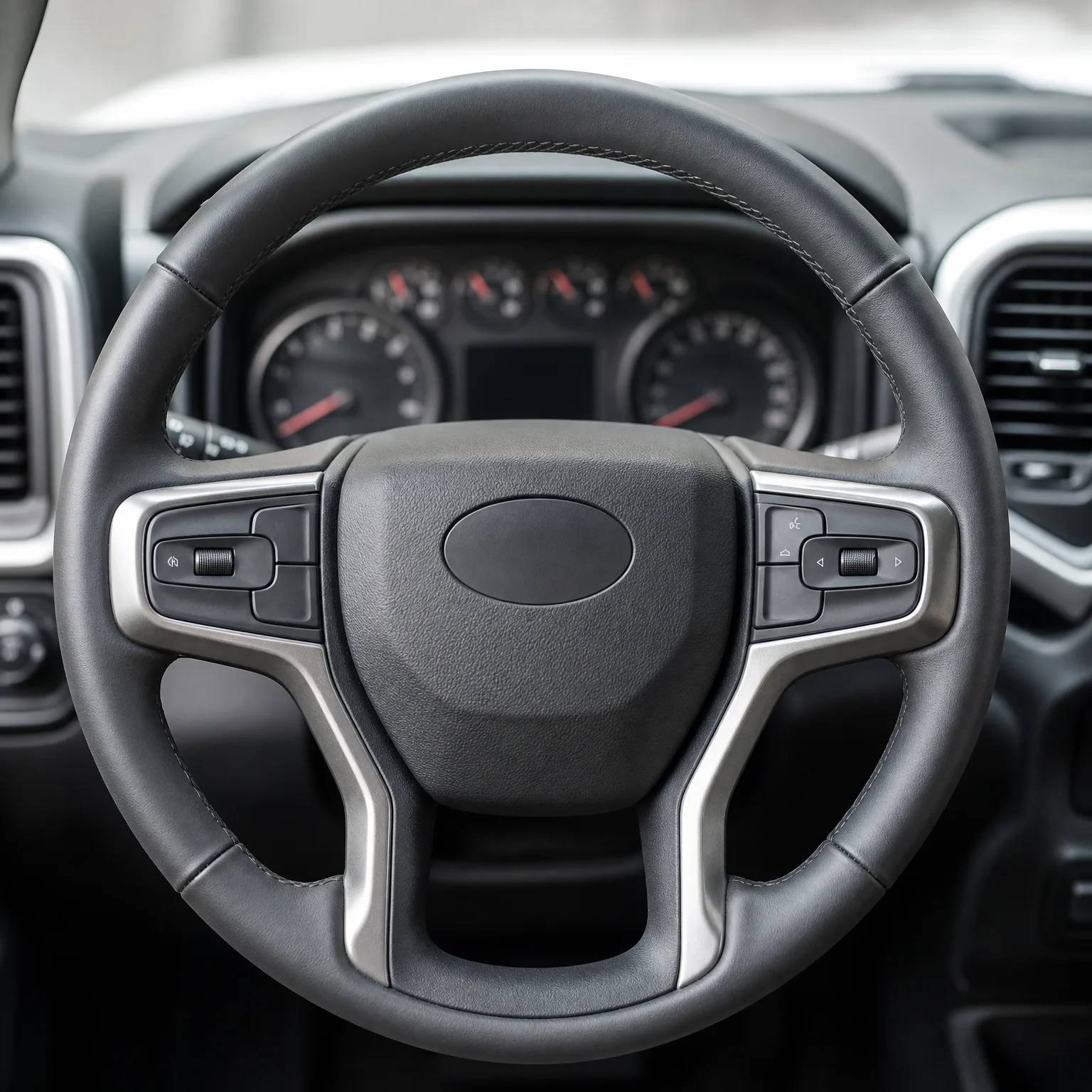
A driver filed a claim after a storm damaged their roof and took out a fence. They worried that filing would somehow follow them to their car insurance renewal a few months later, since both policies were bundled with the same company. They called their agent before filing just to understand what to expect, and the agent confirmed the home claim would be evaluated against the home policy alone.
The roof claim went through, the fence got repaired, and the driver's auto policy renewed on schedule at the same rate as before. Nothing about the storm claim appeared anywhere in the auto renewal paperwork. The only thing the driver noticed was a reminder from the agent that if they filed another sizable claim on either policy within a short stretch, the insurer might take a closer look at the whole account at the next renewal cycle, simply because of the bundle, not because of any new rule tied to the home claim itself.
Does bundling home and auto insurance save money even with a claim on my record?
Usually yes, bundling still saves money even after a home claim, since the discount is typically based on holding both policies rather than on a clean claims history. Check your specific policy terms though, since some insurers reduce or remove the bundling discount if your overall claims activity increases, and that detail varies by company.
Can my home insurer share my claims history with my car insurer?
Only if they're the same company or you've given permission for the data to be shared, and even then it depends on how that insurer's systems are set up internally. Most standalone home and auto insurers don't exchange claims data unless there's a direct business reason to, like fraud investigation. Ask your insurer about their specific data practices if this concerns you.
Should I shop around for a new car insurer after a home insurance claim?
Not because of the home claim itself, since it shouldn't affect your auto rate on its own. It's still worth comparing car insurance quotes periodically regardless of home claims, simply because rates shift over time and a better deal might be available independent of anything happening with your house.